%2Ffit-in%2F250x250%2Fguide_websites%2F134293%2Fimages%2F17803572811321740716496532-website.png&w=1200&q=100)
Catch Florida Pompano in St. Petersburg FL
Florida Pompano Fishing in St. Petersburg - What to Expect
%2F%2Fusers%2Fc58dc391-124c-4c62-97d3-41b6501faac0%2Fimages%2Fflorida-pompano-st-petersburg-catch-2681.jpg&w=1200&q=75)
Fishing Charter by Captain Jordan Buendia in June
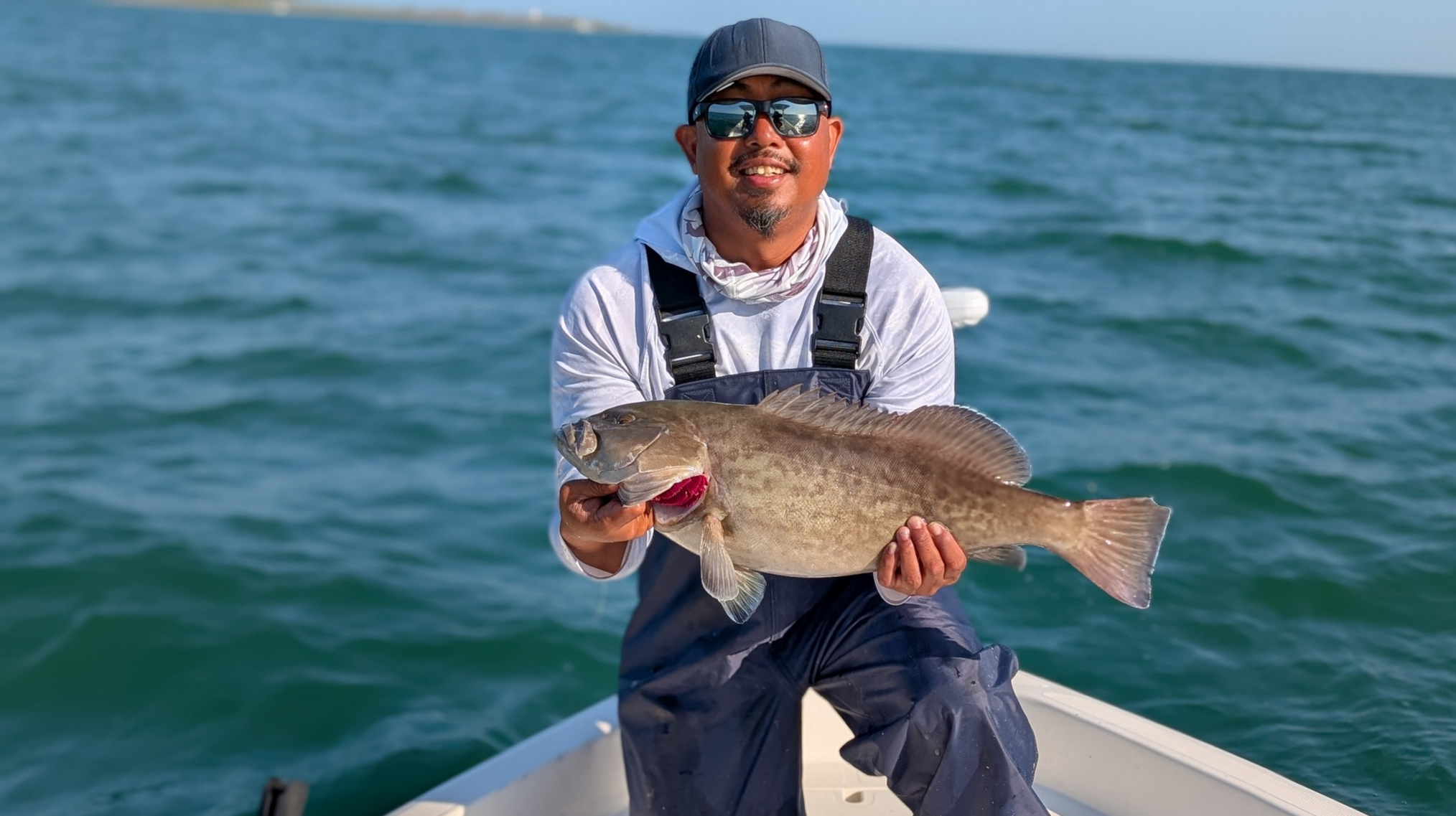
Meet your Captain Jordan Buendia
- St. Petersburg Fishing Charters | Tampa Bay Trips


Summary
Join Captain Jordan Buendia of Fish Dream Charters on a Sunday in June for an explosive fishing charter in St. Petersburg. This action-packed fishing charter targets Florida Pompano with precision and intensity, delivering the kind of thrilling catches that keep anglers coming back for more.
Fishing Charter with Captain Jordan Buendia - Rates & Booking
Captain Jordan Buendia of Fish Dream Charters took to the waters near St. Petersburg on a Sunday in June, delivering an intense day of Florida Pompano action. This fishing charter showcases the kind of explosive results that make St. Petersburg one of Florida's premier pompano destinations. Whether you're chasing your first pompano or stacking a cooler full, Captain Buendia brings the expertise and energy to make it happen.
Ready to experience this level of action yourself? Fish Dream Charters specializes in high-performance fishing adventures tailored to target species like Florida Pompano in their prime feeding windows. Contact the charter to discuss your preferred trip details, group size, and booking dates. This is the kind of fishing that demands your attention - reserve your spot today.
Highlights of Florida Pompano Fishing
Six pompano landed on a single outing represents the kind of explosive bite that defines a premium fishing charter. These silver-lined speedsters come hard and fight harder, making each hook-up an adrenaline rush. The visual spectacle of a cooler packed with these beautiful fish is pure satisfaction - a tangible record of strategy, skill, and relentless execution on the water.
St. Petersburg's shallow and inshore waters create ideal conditions for pompano fishing. The environment combines tidal flats, sandy bottoms, and structure-rich zones where pompano congregate to feed. When conditions align and the bite turns on, anglers experience rapid-fire action that can overwhelm your senses in the best possible way.
Local Species Insights: Florida Pompano
Florida Pompano are the rocket ships of shallow water fishing. These sleek, silver fish are built for speed and aggression, making them one of the most exhilarating species to target in St. Petersburg waters. Their compressed bodies and powerful tail section enable explosive acceleration, and they strike with intensity that translates directly to your rod and reel.
Pompano are bottom feeders that hunt in shallow waters, typically 3 to 15 feet deep, where they search for crustaceans, small fish, and mollusks. In St. Petersburg, they thrive around sandy flats, near structure, and along channels where tidal movement concentrates food sources. The species migrates seasonally, but summer months bring consistent populations to local waters.
What makes pompano so addictive for anglers is their willingness to strike and their relentless fighting style. They don't run deep or take long line - they pull hard, shake their heads, and test your technique constantly. A day targeting pompano is never passive. Every cast matters, every bite counts, and every landing brings immediate gratification.
The gear setup for pompano fishing keeps pace with their aggressive nature. Light to medium tackle performs best, allowing you to feel the strike and stay connected during the fight. Live shrimp, cut mullet, and specialized jigs work effectively. The shallow, clear waters of St. Petersburg demand precision casting and an understanding of pompano behavior patterns throughout the tidal cycle.
Captain Jordan Buendia's success with six fish demonstrates both knowledge of where pompano concentrate and the ability to keep anglers positioned and ready throughout the day. St. Petersburg's proximity to diverse fishing grounds means multiple zones can be worked, increasing your chances of connecting with active pompano schools. The combination of local expertise, quality tackle, and committed effort produces the kind of results that make this fishing style so rewarding.
Fishing in St. Petersburg: Florida Pompano
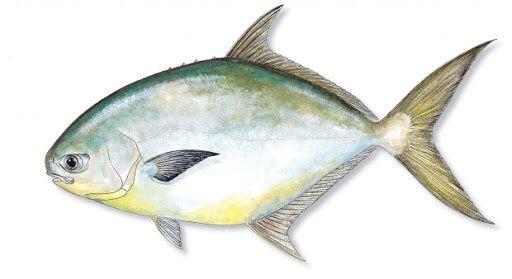
Florida Pompano Overview
The Florida Pompano (Trachinotus carolinus) is one of the most prized game fish along Florida's coast, belonging to the family Carangidae and order Perciformes. This sleek, compressed fish is instantly recognizable by its silvery, white-blue body, vibrant yellow fins, and deeply forked tail. What makes this species particularly special is its reputation for both culinary excellence and fighting spirit—so much so that the charming seaside town of Pompano Beach, Florida, is actually named in its honor. Anglers and food lovers alike cherish this fish for its buttery, delicious meat and its exciting, acrobatic battle when hooked. Whether you're a seasoned angler seeking an adrenaline rush or a food enthusiast chasing coastal dining perfection, the Florida Pompano represents the best of what Florida's waters have to offer.
Florida Pompano Habitat and Distribution
Florida Pompanos are naturally found in the warm, shallow waters of Florida's Gulf Coast beaches and Atlantic waters, where they thrive in nearshore and onshore environments. These fish have a strong preference for sandy bottoms and areas with abundant shrimp and mollusks—their primary food sources. They typically stay within close proximity to the beach but will occasionally venture into bay areas during certain seasons. While their local positions shift with the tides, their broader movement is driven by water temperature. During warmer months, they remain active in shallow coastal zones, but as winter approaches, they migrate into deeper waters to escape the cold. This species is native to Florida and remains a year-round resident, though abundance and accessibility to anglers vary seasonally. Around Pompano Beach and nearby coastal communities, you'll find them most reliably in the summer and fall months when they're actively feeding in shallow waters.
Florida Pompano Size and Weight
The Florida Pompano typically ranges from 12 to 25 inches in length, with weights generally falling between 4 to 8 pounds for typical catches. However, these compressed, silvery fish are deceptively powerful for their size—a 4-pound specimen will fight with surprising vigor. The average catch tends toward the smaller end of this range, usually in the 1 to 3-pound range, though experienced anglers who target prime feeding grounds occasionally land impressive specimens pushing 8 to 9 pounds. Their sleek, flattened body structure contributes to their swift movements and makes them appear even more streamlined than their actual weight suggests. Regardless of size, every Florida Pompano you land is a quality catch, as this species is rarely considered a nuisance fish and every individual represents excellent eating and entertainment value.
Florida Pompano Diet and Behavior
These opportunistic feeders have a varied diet consisting primarily of mollusks, crustaceans, smaller invertebrates, and small fish. The Florida Pompano's moderately compressed body structure allows it to slip through vertical crevices in search of prey, making it a highly efficient hunter in sandy and rocky bottom environments. What's particularly interesting is their gregarious nature—they typically travel and feed in schools, which can create exciting opportunities for anglers who locate an active group. This schooling behavior means that when you find one pompano, more are likely nearby. As a member of the Jack family, they're tenacious and aggressive feeders, particularly during tide changes when their food sources become more active and accessible. Their hunting style is energetic and opportunistic; they'll pursue prey with quick bursts of speed and rarely pass up an easy meal. This aggressive feeding behavior is part of what makes them such thrilling fighters when they take the hook—they approach angling with the same intensity they bring to natural feeding.
Florida Pompano Spawning and Seasonal Activity
The Florida Pompano has a relatively short lifespan of 3 to 4 years on average, though some remarkable individuals have been documented living 6 to 9 years. Their migration patterns are closely tied to water temperature; as waters cool in late fall and winter, they move into deeper offshore waters where temperatures remain more stable. Spring and early summer mark their return to shallow coastal zones as temperatures warm. The peak fishing and activity season runs from late spring through early fall, with summer and fall representing the absolute prime time for anglers targeting this species. During these warmer months, the fish are actively feeding in shallow waters near beaches, making them more accessible and aggressive. Breeding typically occurs offshore during warmer months, and successful spawning is tied to optimal water temperatures. Understanding these seasonal movements is crucial for consistent success, as targeting the wrong season often means disappointment. Plan your Florida Pompano fishing adventure for summer or fall, and you'll maximize your chances of connecting with actively feeding fish.
Florida Pompano Techniques for Observation and Capture
Light Tackle and Small Hooks: The Florida Pompano's relatively small mouth requires downsized tackle. Use small hooks (typically size 1/0 to 3/0) with light to medium spinning or baitcasting equipment. Live bait such as live shrimp, mullet, or small crustaceans are highly effective, as they mimic the pompano's natural prey. Cast near sandy drop-offs, cut banks, and areas where tidal flow creates feeding zones. The key is presenting natural-looking baits in high-traffic areas where schools actively forage.
Bright Jigs and Artificials: If you prefer casting artificials, reach for brightly colored jigs in yellow, orange, or white—these colors trigger aggressive strikes in both clear and slightly turbid water. Small bucktail or soft-plastic jigs in the 1/8 to 1/4-ounce range work beautifully. Use short, quick retrieves with occasional pauses to imitate baitfish behavior. This technique is particularly effective during tide changes when pompanos are most active.
Localized Tip for Pompano Beach: Around Pompano Beach and nearby coastal areas, focus your efforts on the shallow sandbars and nearshore zones during early morning and late afternoon hours. The beaches here are specifically known for pompano activity, and local tackle shops can provide current bite reports. Fish the incoming and outgoing tide changes—these are peak feeding windows. Sight-casting to visible schools can be incredibly productive, and the shallow, clear waters of South Florida's beaches make visual hunting both possible and exciting.
Florida Pompano Culinary and Utilization Notes
The Florida Pompano is considered a premium food fish with excellent culinary value. Its flesh is white, tender, and distinctly buttery—a flavor profile that justifies its premium pricing in upscale Florida seafood restaurants. The meat is lean yet flavorful, making it ideal for simple preparation methods like pan-searing, grilling, or baking with minimal seasoning. Unlike many fish species, the pompano's delicate flavor doesn't require heavy sauces or marinades; often, a squeeze of fresh lemon, light salt, and pepper are all that's needed. Nutritionally, it's an excellent source of lean protein, omega-3 fatty acids, and essential vitamins. The fish is also highly sustainable when targeted through recreational angling in Florida's well-managed fisheries. Many coastal chefs and home cooks prize this species specifically for its consistency in quality and flavor. If you catch Florida Pompano during your visit to coastal Florida, having them prepared fresh at a local restaurant or preparing them yourself is a culinary experience you shouldn't miss.
Florida Pompano Frequently Asked Questions
Q: What is the best bait for catching Florida Pompano?
A: Live shrimp and live mullet are the most effective baits, as they closely mimic the pompano's natural prey. Fresh cut mullet or sand fleas also work well. Present these baits on small hooks (size 1/0 to 3/0) near sandy areas and drop-offs where pompanos actively feed. If using artificials, bright yellow or orange jigs are highly productive.
Q: Where can I find Florida Pompano near Pompano Beach?
A: Pompano Beach itself is excellent, with nearshore sandbars, shallow feeding zones, and beach structures offering prime habitat. Early morning and late afternoon on incoming or outgoing tides produce the best results. Nearby coastal areas like Fort Lauderdale Beach and Deerfield Beach also hold good populations. Local tackle shops can provide real-time information on current hot spots.
Q: Is Florida Pompano good to eat?
A: Absolutely. The Florida Pompano is considered one of Florida's finest eating fish, prized for its buttery, white, tender meat. It's expensive in restaurants precisely because of its exceptional flavor and consistency. Whether you grill, pan-sear, or bake it, this species is a culinary highlight worth experiencing.
Q: When is the best time to catch Florida Pompano?
A: Summer and fall are prime seasons when pompanos are actively feeding in shallow coastal waters. Within each day, target tide changes—incoming and outgoing tides create feeding frenzies. Early morning and late afternoon hours are consistently productive. Winter fishing is possible but much less reliable as the fish move to deeper, offshore waters.
Q: Can I easily confuse Florida Pompano with other species?
A: Yes, many anglers mistake them for Permit, which share similar compressed body shapes and coloration. However, the Florida Pompano has a shorter snout, more yellow coloration on the fins, and a less distinctly shaped head profile. The deeply forked tail with yellow edges is a reliable identifying feature. When in doubt, check with local fishing guides or tackle shop staff.
Q: How hard do Florida Pompano fight when hooked?
A: Despite their relatively modest size, Florida Pompanos are exceptional fighters, earning them a reputation as one of Florida's most exciting game fish. They're quick, powerful, and acrobatic—as members of the Jack family, they bring tenacity and speed to every encounter. Even experienced anglers appreciate the thrill these fish provide, making them endlessly entertaining to pursue.